

In a market increasingly characterised by provenance and historical significance, LUXUO explores the appeal of investing in collectable classic cars. Due to limited production, distinct design authorship and documented racing heritage, a handful of models consistently defy broader market fluctuations. Beyond their mechanical prowess, these models serve as cultural artefacts with enduring appeal for collectors. Scarcity and proven lineage underpin lasting value in a global collector market that continues to expand.
Ferrari 250 GTO (1962–1964)
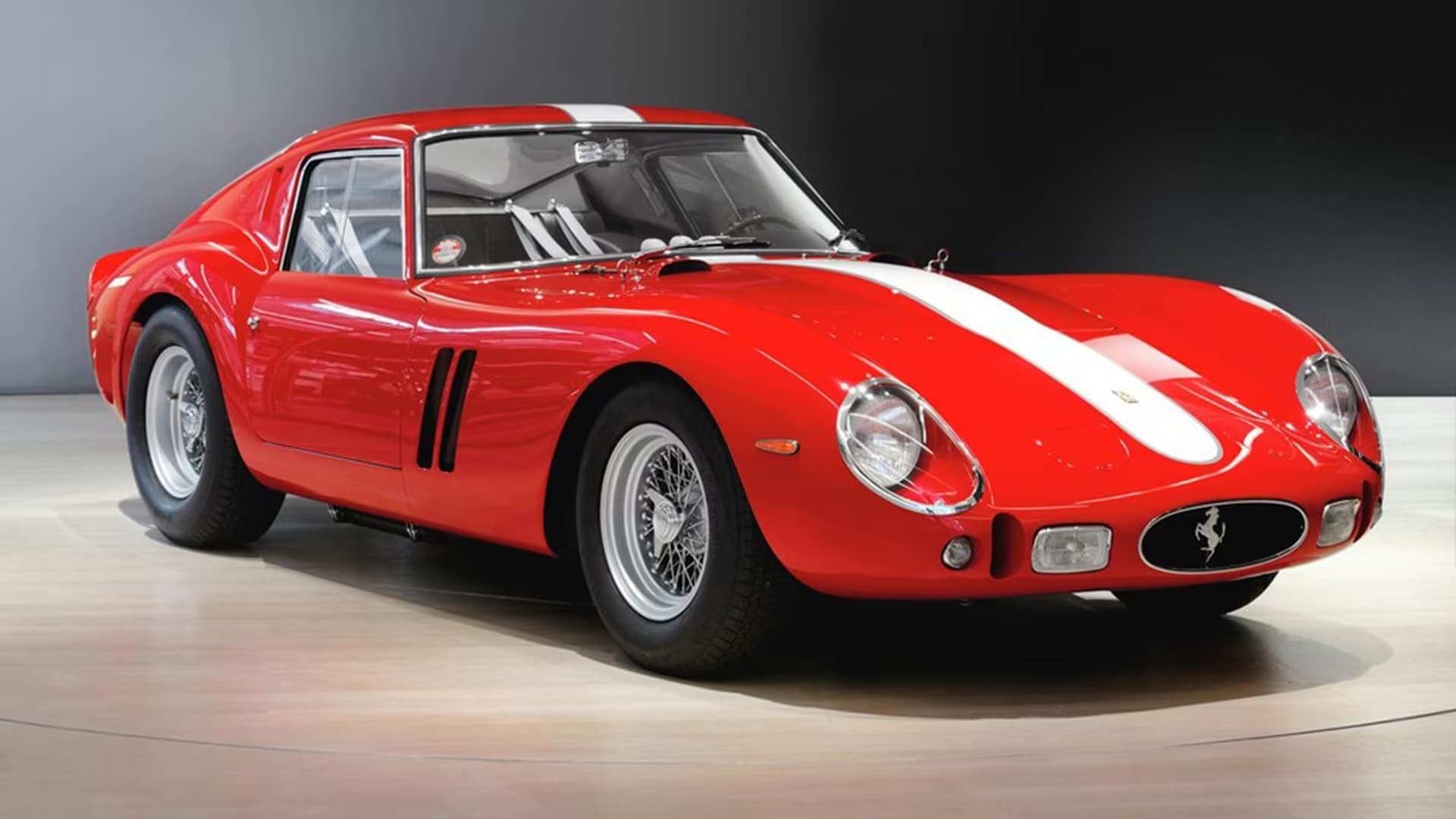
The Ferrari 250 GTO — which is frequently regarded as the pinnacle of collector desire — combines exceptional rarity — just 36 were made — with a strong racing history that includes several FIA World Sportscar Championship class triumphs. Its hand-built construction and Colombo V12 engine are a pinnacle of analogue engineering. With private sales over USD 28 million per car, the model continues to fetch record-breaking auction prices, solidifying its position as one of the most valuable vehicles ever made. Giotto Bizzarrini oversaw its development and Sergio Scaglietti improved the bodywork. The 250 GTO’s 3.0-litre (2,953cc) V12 engine generates about 296 horsepower. Its aerodynamic shape and lightweight tubular chassis were refined for endurance racing. Its unparalleled provenance, minimal production and established history of competition make it an attractive investment and a key component of any serious collection.
Porsche 911 (1964–1989)
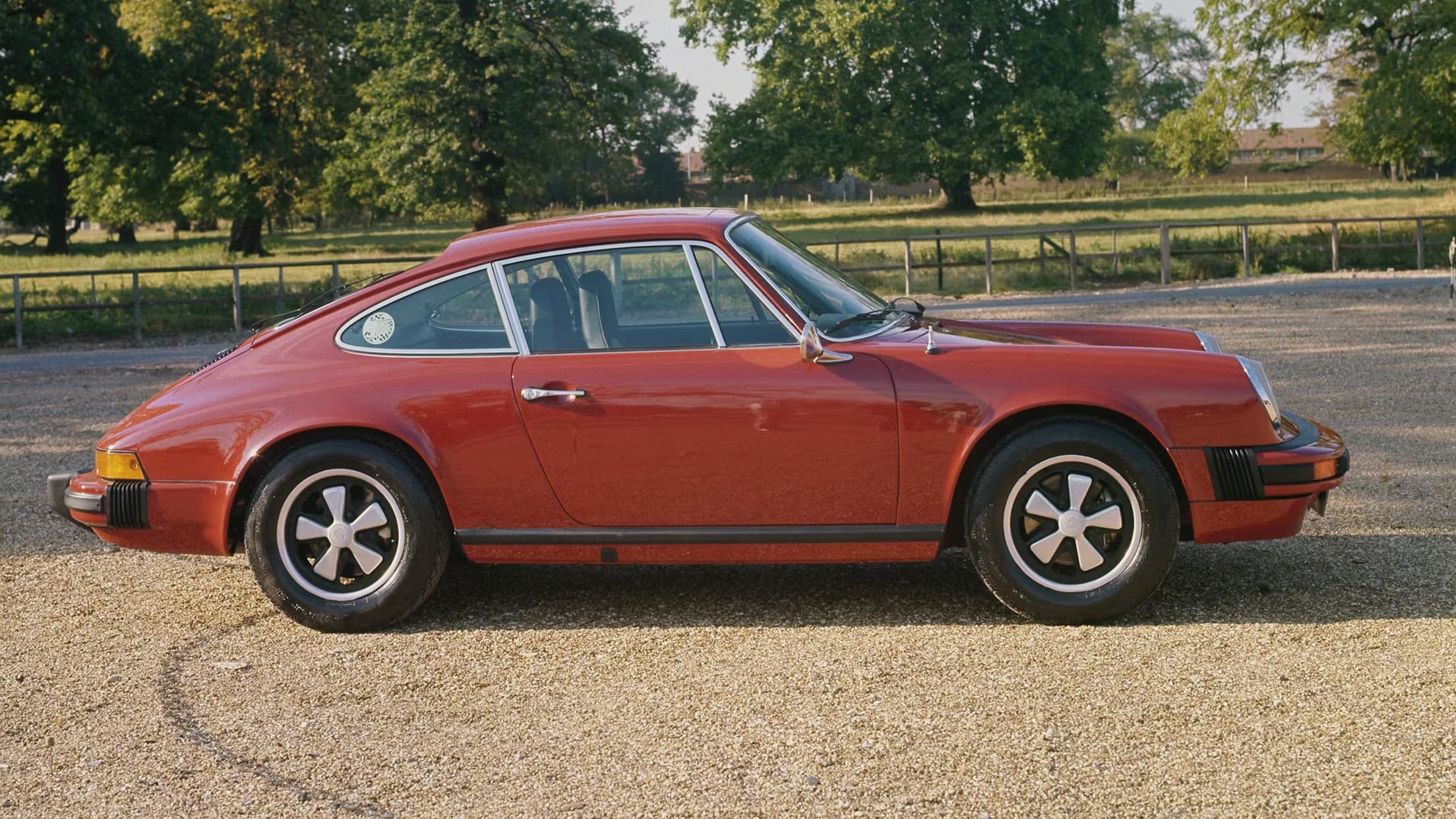
Few models have been as consistent as the first Porsche 911. Its rear-engine layout and distinctive profile created an automotive design language that has largely persisted for decades. Air‑cooled models — especially those from the 1960s to the late 1980s — are highly sought after for their mechanical purity and driving engagement. With comparatively wider production than many other classics, they also serve as a crucial starting point for collecting blue‑chip cars. Ferdinand Alexander Porsche created the original versions, which had air-cooled flat-six engines that ranged in size from 2.0 to 3.2 litres and produced between 130 and 231 horsepower in the Carrera 3.2-litre variant. Owning a classic Porsche 911 provides collectors with enduring value, thanks to the combination of robust engineering, documented provenance and practical usability. Originality and a verifiable service history are particularly prized, especially for early short-wheelbase models.
Jaguar E-Type Series 1 (1961–1968)
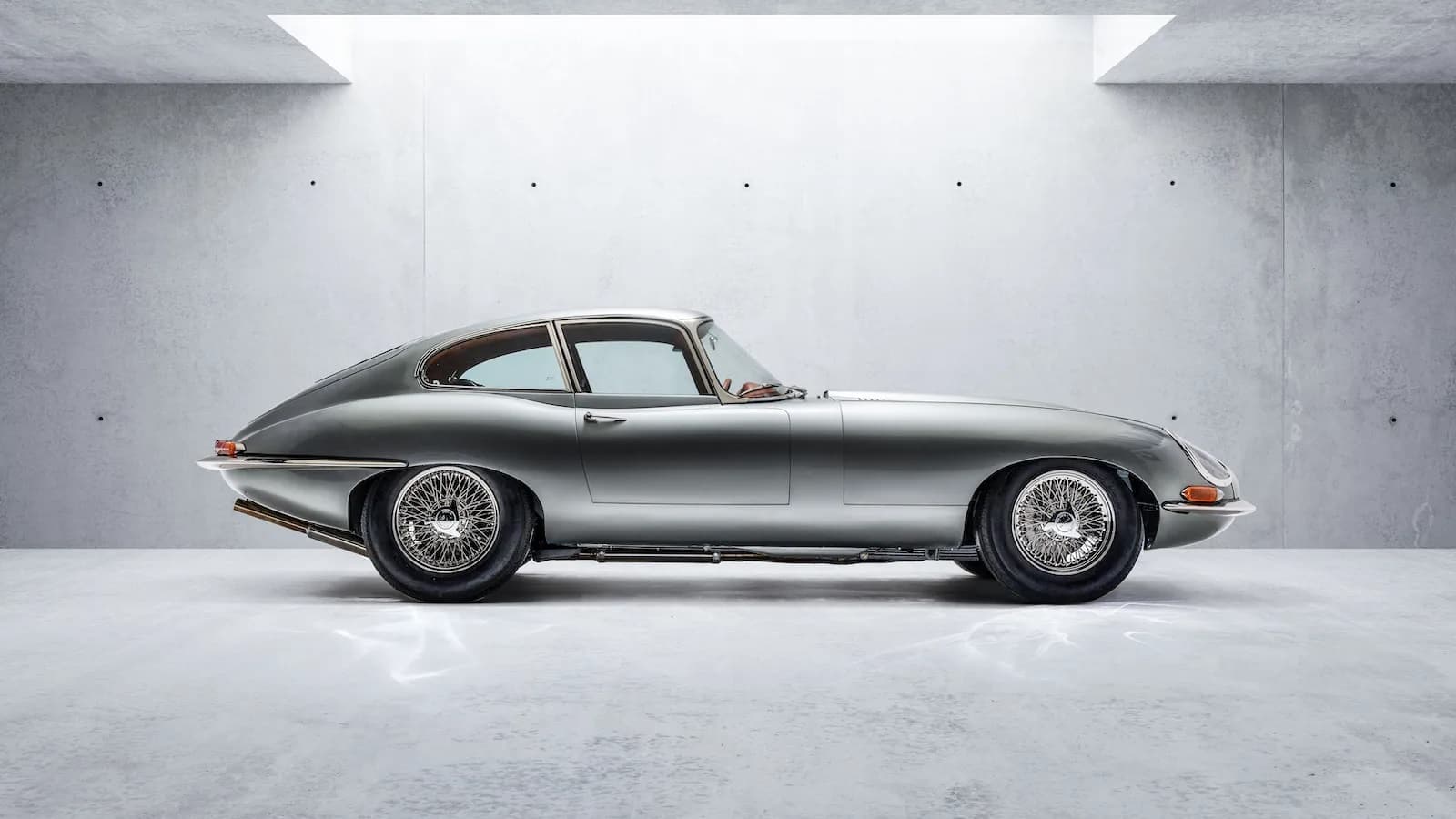
The Jaguar E-Type Series 1 — which debuted at the 1961 Geneva Motor Show — changed what a sports car could look like in its price range. Enzo Ferrari referred to it as “the most beautiful car ever made”, all thanks to its aerodynamic, race-derived appearance and top speed of 240 km/h. The most valuable Series 1 cars are the early ones, especially those with covered headlamps and original specs. The E-Type — designed by Malcolm Sayer — had a 3.8-litre inline-six engine with 265 horsepower; it was later upgraded to a 4.2-litre engine with more torque. Its independent rear suspension and monocoque design were inspired by the D-Type race vehicle. The demand for this car is maintained by strong cultural awareness and affordable prices in comparison to competitors, especially for low-mileage, matching-numbers models.
Aston Martin DB5 (1963–1965)
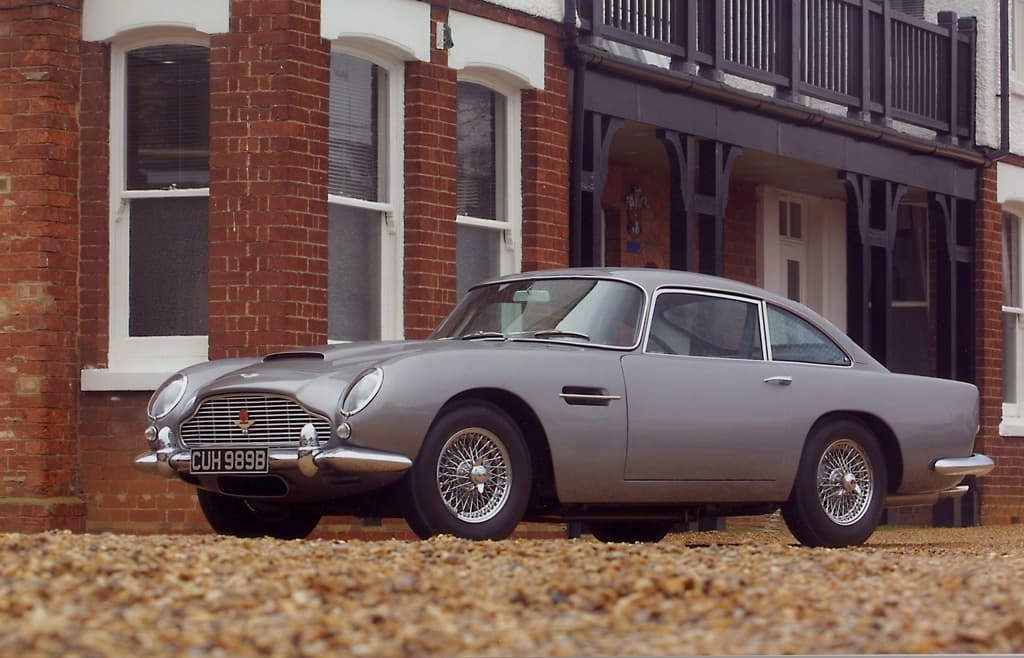
Beyond automotive brilliance, the Aston Martin DB5 still holds a special place at the nexus of cinematic history — thanks to James Bond movies. Powered by a 4.0-litre inline-six engine and finished with classic British craftsmanship, it originally appeared in Goldfinger (1964) and gained international recognition because of its relationship with James Bond. Current collector demand still fuels this sophisticated grand tourer because it remains a cinematic and automotive icon. The DB5 — designed by Carrozzeria Touring Superleggera and engineered by Harold Beach — generates about 282 horsepower. Its grand touring capabilities were enhanced by features such as a ZF five-speed gearbox and aluminium body panels. Long-term value stability is reinforced by limited production of slightly more than 1,000 units and persistent media coverage.
Shelby Cobra 427 (1965–1967)
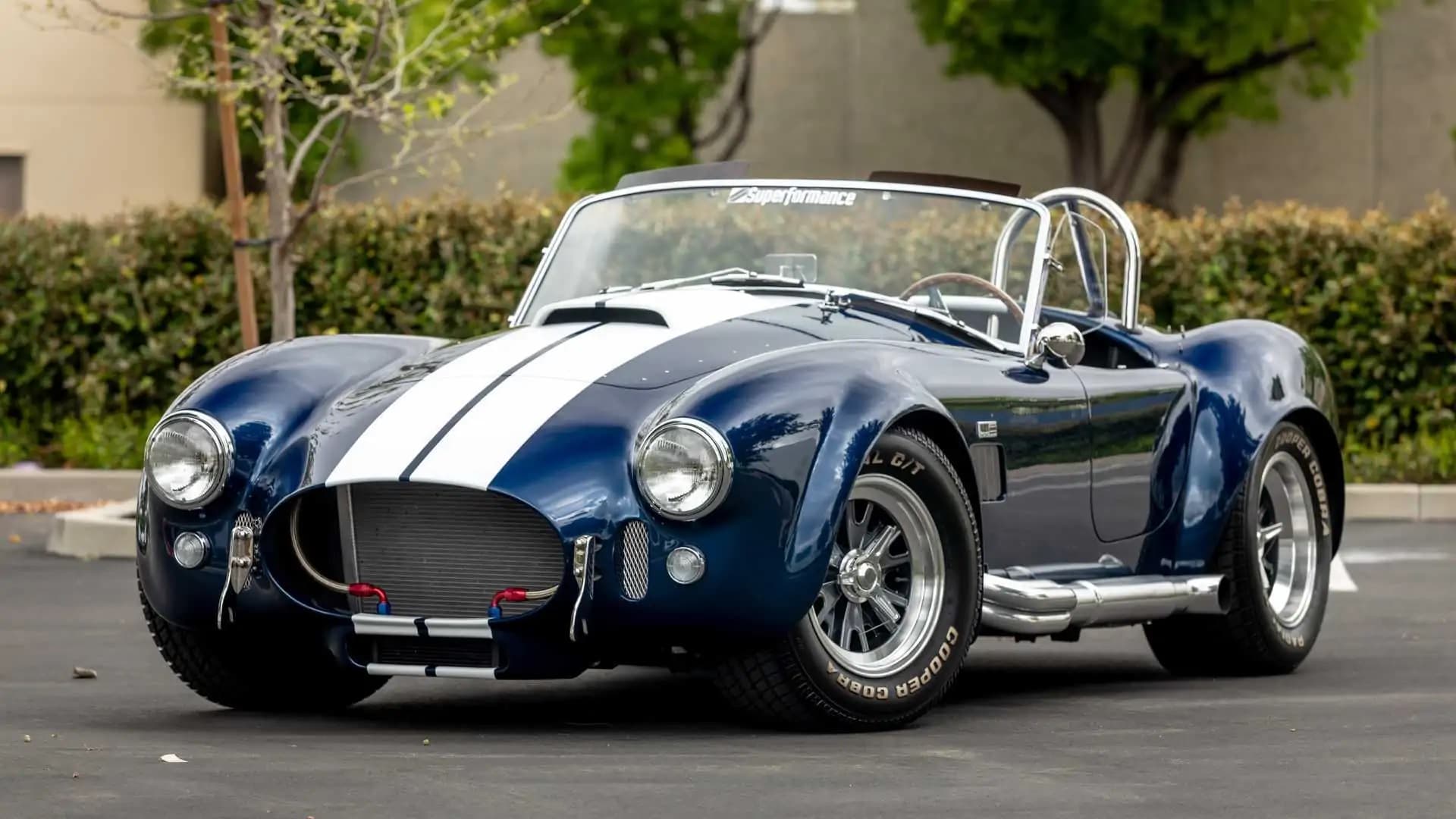
The Shelby Cobra 427 is the epitome of unadulterated performance. Created by Carroll Shelby in partnership with AC Cars, the car combines a Ford 7.0-litre V8 engine with a lightweight British chassis for exceptional power-to-weight performance. Original models — especially those with
Read more from original article, all rights reserved 8 Classic Cars Revered by Collectors for Their Provenance
Leave a Reply